Compare Local Contractors for Garden Soil Delivery Services
Compare local contractors for garden soil delivery to define project scope, verify experience, and ensure clear expectations before hiring.
Garden soil delivery services typically involve transporting and distributing soil to enhance landscaping, prepare planting beds, or improve garden health. Contractors may handle tasks such as assessing the site’s needs, selecting appropriate soil types, and ensuring proper placement to meet property owners’ specific landscape goals. Some providers may also offer additional services like soil mixing, grading, or spreading to create an even, well-prepared foundation for planting or lawn development.
Clearly defining the scope of work is essential to ensure the project meets expectations and avoids misunderstandings. Property owners should specify the amount and type of soil needed, the delivery location, and any preparation or site-specific instructions. Writing these details into a service agreement helps establish a shared understanding of the work involved, including any necessary access or equipment requirements, which can influence the overall process and outcome.
When comparing local contractors for soil delivery, property owners should consider experience with similar projects, the scope of services offered, and the clarity of communication. Verifying that contractors understand the specific needs of the property and can accommodate any site constraints is important. It’s also helpful to review how each service provider approaches project planning and documentation, ensuring that expectations are set and agreed upon in writing before work begins. This approach supports a smooth and predictable process tailored to the property’s landscape.
Compare local contractors by outlining your project priorities, verifying experience, and setting clear written expectations.
- Compare Contractor Experience - Review the background and expertise of local contractors to ensure they can handle soil delivery projects.
- Define Project Scope - Clearly outline the amount and type of soil needed to set expectations with service providers.
- Verify Service Details - Confirm what is included in the soil delivery and any additional services offered by local contractors.
- Document Agreements - Keep written records of scope, responsibilities, and expectations to facilitate smooth project execution.
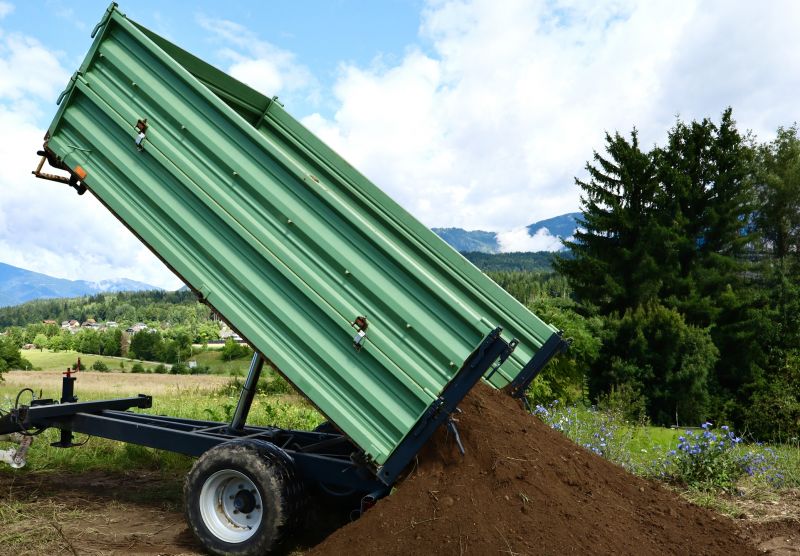
Clearly describe your garden soil delivery project to help local contractors understand your needs and compare options effectively.
- Verify the experience and reputation of local contractors specializing in garden soil delivery. - Look for service providers with a proven track record in handling soil delivery projects similar to your needs.
- Define the scope of work clearly in writing, including soil type, quantity, and delivery requirements. - Ensure all expectations are documented to prevent misunderstandings during the project.
- Check for recommendations or reviews from previous clients to assess the reliability of local contractors. - Gathering feedback can help identify providers known for consistent service quality.
- Confirm that service providers understand your specific soil delivery preferences and site conditions. - Clear communication about your yard and soil needs can facilitate smoother delivery and handling.
- Compare different local contractors to evaluate their experience, scope of services, and professionalism. - Gathering multiple options allows for informed decision-making based on scope and expertise.
- Ensure all project details, including scope and expectations, are agreed upon and documented before work begins. - Written agreements help set clear expectations and serve as a reference throughout the project.
Compare local contractors’ experience and clarify project scope to ensure smooth garden soil delivery.
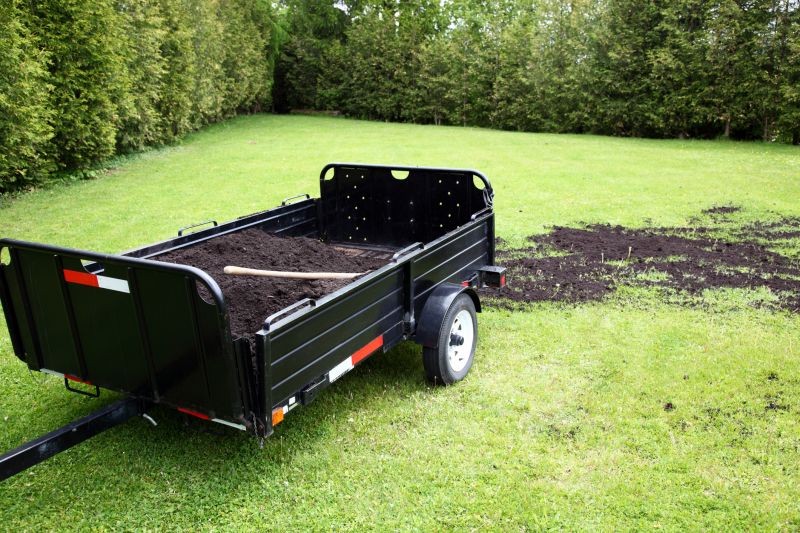


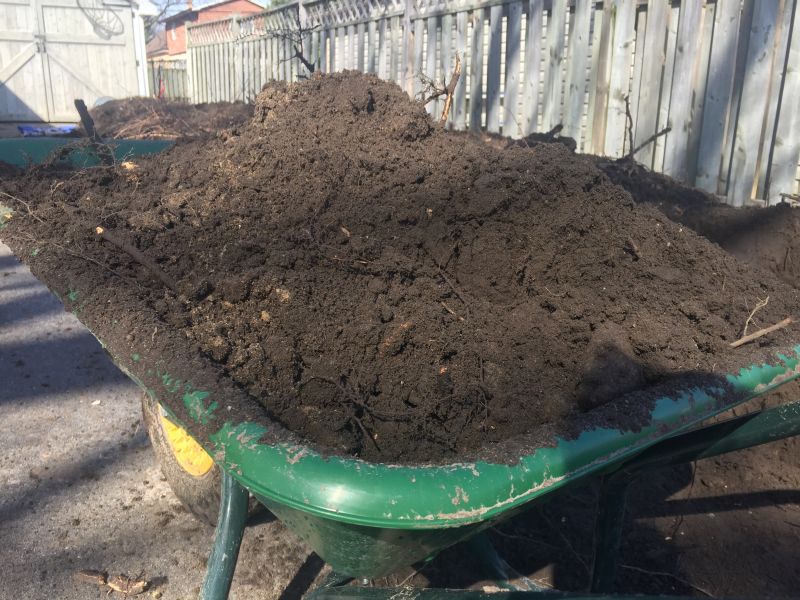
Compare local contractors' scope, experience, and written expectations to ensure consistent standards across providers.
- Scope Definition - Clearly outline the specific tasks involved in delivering garden soil, including quantity, type, and delivery location.
- Experience Verification - Confirm that local contractors have relevant experience with garden soil delivery projects of similar scope.
- Material Specifications - Specify the type, quality, and any particular characteristics required for the garden soil being delivered.
- Service Expectations - Establish the responsibilities of the service providers, such as unloading, placement, and any additional handling requirements.
- Written Agreement - Document all scope details, expectations, and responsibilities in writing to ensure mutual understanding with the chosen service providers.
When comparing contractors for garden soil delivery, it’s important to consider their experience with similar projects. Homeowners should inquire about the types of soil deliveries the service providers have completed in the past, especially those that match the scope of their own needs. Contractors with a history of handling projects comparable in size and complexity are more likely to understand the specific requirements and potential challenges involved. Gathering this information helps ensure that the chosen service provider has relevant experience to handle the job efficiently and effectively.
A clear, written scope of work is essential when evaluating garden soil delivery contractors. This document should outline the specific details of the project, including the quantity of soil, delivery locations, timing expectations, and any special handling instructions. Having a detailed scope helps prevent misunderstandings and sets a foundation for clear communication. Homeowners should review the scope carefully to confirm that it accurately reflects their needs and that all aspects of the delivery are explicitly addressed, establishing a shared understanding before work begins.
Verification basics involve confirming that the contractor’s experience aligns with the project’s requirements and that their process includes proper planning and communication. Homeowners can ask for references or examples of previous work to verify the contractor’s track record. Additionally, it’s helpful to understand how the service provider plans to coordinate delivery logistics and ensure timely service. Verifying these details helps establish confidence that the contractor can meet expectations and deliver the soil as specified, reducing the risk of surprises or delays.
Evaluating options without discussing prices involves focusing on the quality of service, experience, and clarity of communication. Homeowners should compare the scope of work, the level of detail provided, and the professionalism demonstrated by each service provider. It’s also beneficial to consider how well each contractor understands the project’s specific needs and how thoroughly they can answer questions about their process. By assessing these aspects objectively, homeowners can select a contractor who offers reliable service and clear communication, ensuring a smooth and satisfactory garden soil delivery experience.
Ask for written details to clearly define the scope of garden soil delivery and ensure consistent expectations.
- Experience and Expertise - What experience do the local contractors have with garden soil delivery projects similar to yours?
- Scope of Services - How do the service providers define the scope of work included in their soil delivery services?
- Material Quality and Types - What types of soil do the local contractors typically deliver, and how do they ensure quality?
- Project Expectations - How do the contractors clarify expectations regarding delivery procedures and site access in writing?
- Comparison and Differentiation - What criteria should be used to compare different local service providers beyond price and availability?
How can I compare different contractors for garden soil delivery? To compare local contractors, review their experience, scope of services, and customer feedback. Ensure they clearly outline what is included in their delivery service and verify their familiarity with your specific soil needs.
What should I consider when defining the scope of garden soil delivery? Clarify the amount of soil required, delivery location, and any specific handling or placement instructions. Providing detailed information helps contractors deliver accurate services and set clear expectations.
How can I verify the experience of garden soil delivery contractors? Look for contractors with a proven track record in soil delivery, ask for references or examples of previous work, and review any available customer feedback to gauge their reliability and expertise.
Why is it important to have the scope of work in writing? Having the scope documented ensures all parties agree on the deliverables, prevents misunderstandings, and provides a clear reference for the scope of the project throughout the process.
What questions should I ask when evaluating local contractors for soil delivery? Inquire about their experience with similar projects, the types of soil they deliver, their delivery process, and how they handle special requests or specific site conditions.
How can I ensure the contractor understands my garden soil delivery needs? Clearly communicate your soil requirements, site conditions, and any special instructions in writing. Confirm that the contractor acknowledges and agrees to these details before proceeding.
By exploring options for garden soil delivery, visitors have learned how to identify qualified local contractors, define the scope of their project, and verify experience to ensure reliable service. Emphasizing the importance of setting clear expectations in writing helps facilitate smooth communication and successful outcomes. Utilizing the quote form allows for easy comparison of available service providers, making it simple to find the right fit for specific needs.
Taking a few moments to complete the quote form enables visitors to connect with local contractors who can handle garden soil delivery. This straightforward step supports informed decision-making by providing a clear overview of local options, helping to ensure that the chosen service provider aligns with the project’s scope and requirements.