Compare Local Contractors for Landscaping Soil Delivery Services
Compare local contractors for landscaping soil delivery to define scope, verify experience, and set clear expectations for a successful project.
Landscaping soil delivery services typically involve transporting and distributing soil to meet the specific needs of a property’s landscape project. This work can include providing various types of soil such as topsoil, compost, or amended mixes, and ensuring it is delivered in sufficient quantities to cover designated areas. Contractors may also assist with spreading or leveling the soil to prepare the site for planting, sod, or other landscaping elements. Clarifying the scope of work helps property owners understand what services are included, whether it’s simply delivery or additional tasks like soil preparation, mixing, or placement, which can influence the overall project approach.
Defining the scope of landscaping soil delivery is essential for setting clear expectations and avoiding misunderstandings. Property owners should specify the type and amount of soil needed, delivery requirements, and any specific handling instructions. Outlining these details in writing ensures that contractors understand the project requirements and can confirm their ability to meet those needs. This clarity helps prevent potential issues related to soil quality, delivery logistics, or service limits, and provides a basis for evaluating whether a contractor’s capabilities align with the project’s demands.
When comparing local contractors for soil delivery services, property owners should consider their experience with similar projects, reputation within the community, and the range of services offered. It’s helpful to verify how each contractor manages logistics, handles special soil types, and ensures timely delivery. Reviewing their previous work, asking for references, or seeking recommendations can provide insight into their reliability and professionalism. Additionally, obtaining written descriptions of scope and service details from multiple providers allows property owners to make informed decisions and choose service providers best suited to the specific needs of their landscape project.
Compare local contractors by outlining your project priorities, verifying experience, and establishing clear written expectations.
- Compare Contractors - review credentials and experience to choose the best service providers for soil delivery.
- Define Project Scope - clearly outline the amount and type of soil needed to ensure accurate service.
- Verify Experience - confirm that contractors have relevant experience with soil delivery for landscaping projects.
- Set Expectations in Writing - document all project details and requirements to prevent misunderstandings.
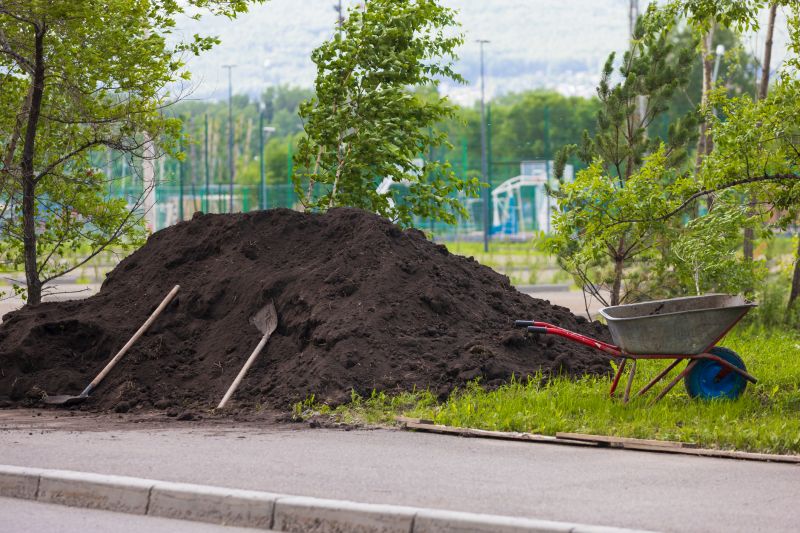
Clearly describe your landscaping soil delivery project to help local contractors understand your needs and compare options effectively.
- Verify the experience and reputation of local contractors specializing in soil delivery services. - Ensure service providers have a proven track record in delivering quality landscaping soil.
- Define the scope of work clearly in writing, including soil type, quantity, and delivery requirements. - Clear documentation helps prevent misunderstandings and sets proper expectations.
- Compare multiple local contractors to assess their expertise, reliability, and service offerings. - Gathering information from different providers allows for informed decision-making.
- Check for references or reviews to gauge the quality of previous soil delivery projects completed by the contractor. - Feedback from past clients can provide insights into the contractor’s performance.
- Discuss and agree upon the delivery process, including access, timing, and handling procedures. - Clarifying logistics ensures smooth delivery and minimizes potential issues.
- Ensure all agreements are documented, including specifications, responsibilities, and any special requirements. - Written contracts help protect interests and clarify service expectations.
Compare local contractors to clarify scope, verify experience, and set clear expectations in writing.

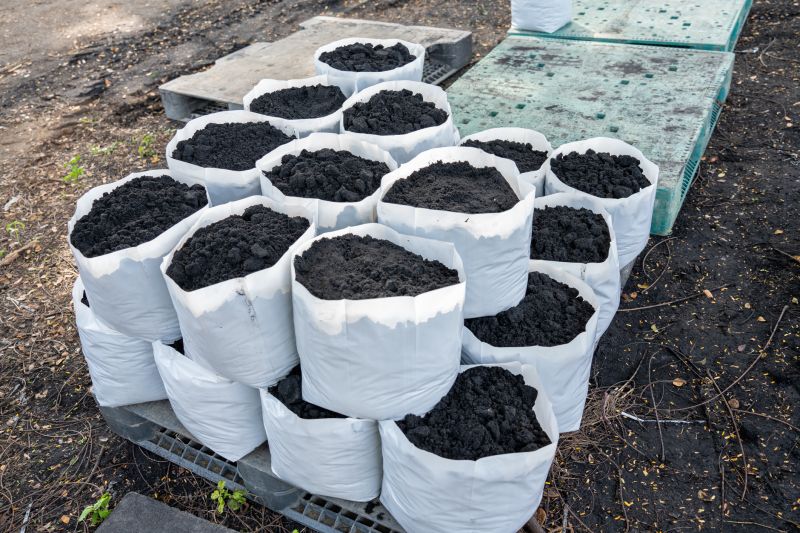
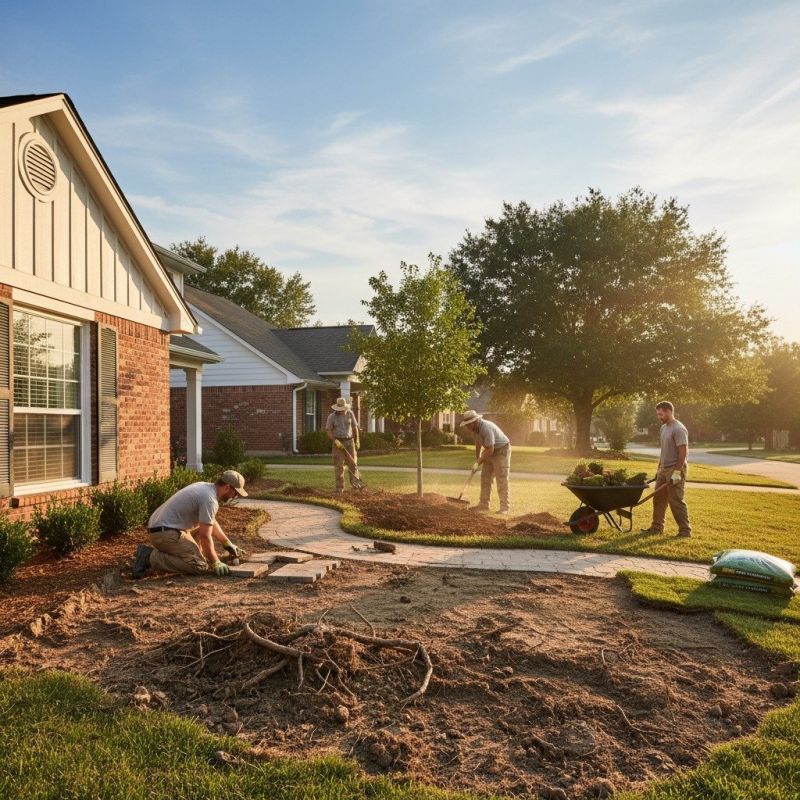
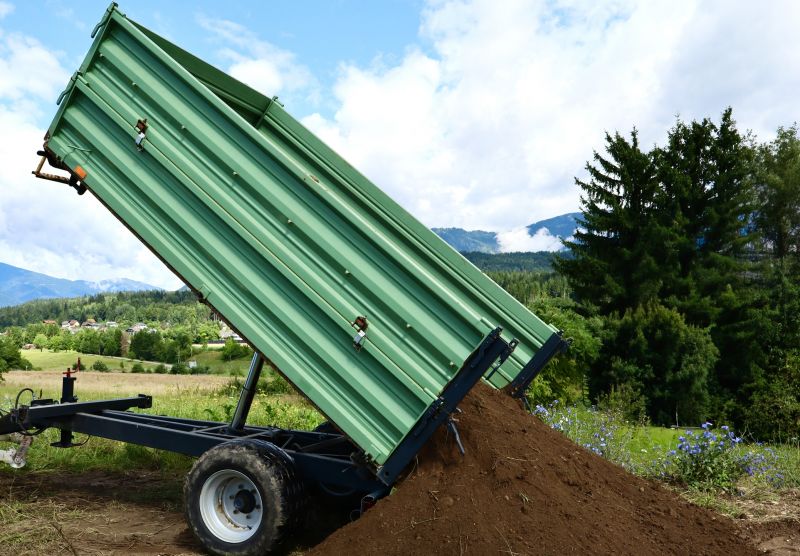
Compare landscaping soil delivery contractors consistently by defining scope, verifying experience, and setting clear expectations in writing.
- Scope Definition - Clearly outline the specific types and quantities of soil materials required for the landscaping project.
- Material Specifications - Specify the quality, composition, and any special requirements for the soil to ensure suitability for landscaping needs.
- Delivery Requirements - Determine the preferred delivery method, timing, and access considerations for the soil to arrive at the project site.
- Experience and References - Verify that local contractors have relevant experience with soil delivery and request references or examples of previous work.
- Written Agreements - Ensure all scope details, expectations, and responsibilities are documented in a formal agreement or scope of work.
When comparing contractors for landscaping soil delivery, it is important to consider their experience with similar projects. Contractors who have worked on a variety of soil delivery jobs, especially those comparable in scope and scale, are more likely to understand the nuances involved. Inquiring about their past work can provide insight into their familiarity with different soil types, delivery logistics, and site conditions. An experienced service provider will typically be able to discuss their previous projects confidently and demonstrate a solid understanding of what the job requires.
A clear, written scope of work is essential when evaluating potential service providers. This document should outline specific details such as the type and amount of soil to be delivered, delivery locations, and any additional services included. Having a well-defined scope helps ensure that both parties share the same expectations and reduces the chances of misunderstandings. When reviewing proposals or estimates, look for detailed descriptions that leave little ambiguity about what will be provided, and avoid contractors who offer vague or overly broad statements of work.
Verification basics are key to assessing the reliability of a local contractor. While formal licensing or certification may not be emphasized, it is useful to verify their reputation through references or reviews. Asking for references from previous clients who had similar soil delivery needs can reveal how well the contractor manages scheduling, handling, and communication. Additionally, confirming that the contractor maintains proper insurance coverage and adheres to safety standards can provide peace of mind that the project will be managed responsibly and professionally.
Evaluating options without focusing on prices involves examining how each contractor communicates and the quality of their proposals. Consider the level of detail in their scope of work, the clarity of their explanations, and their responsiveness to questions. Comparing the experience they highlight, the thoroughness of their written scope, and their approach to project management can help identify the most suitable service provider. By focusing on these aspects, homeowners can make informed decisions and select contractors who are well-equipped to handle their landscaping soil delivery needs effectively.
Request written scope of work to clearly define soil delivery details and ensure consistent expectations with service providers.
- Experience and Expertise - What relevant experience do local contractors have with landscaping soil delivery projects?
- Scope of Services - How do contractors define the scope of work and included services for soil delivery?
- Material Quality and Types - What types of soil do service providers typically offer, and how do they ensure quality?
- Communication and Clarification - How will the scope and expectations be documented in writing before work begins?
- Comparison Criteria - What factors should be considered when comparing different local contractors’ scope and service offerings?
How can I compare contractors for landscaping soil delivery? To compare contractors, review their experience, scope of services, and reputation. Gathering multiple quotes and checking references can help identify providers who meet specific project needs.
What should I consider when defining the scope of soil delivery? Clearly outline the amount and type of soil needed, delivery locations, and any special requirements. Precise scope details ensure contractors understand project expectations.
How do I verify a contractor’s experience with soil delivery projects? Ask for details about previous work, including the types of projects handled and client references. Experienced contractors can demonstrate familiarity with soil types and delivery processes.
What is important to include in a written agreement with a contractor? The agreement should specify the scope of work, delivery quantities, timing expectations, and any specific requirements. Clear documentation helps prevent misunderstandings.
How can I ensure the contractor understands my soil delivery needs? Communicate your project details thoroughly and confirm that the contractor has a clear understanding of scope and expectations before work begins.
Why is it beneficial to work with local contractors for soil delivery? Local contractors are familiar with the area and can often provide more tailored and reliable services, making it easier to coordinate and compare options.
Understanding the key aspects of landscaping soil delivery helps ensure the job meets expectations. By comparing service providers, clarifying the scope of work, verifying their experience, and setting clear details in writing, property owners can make informed decisions. This approach supports a smooth process and helps align services with specific project needs.
Using the quote form to explore local contractors provides a straightforward way to evaluate options side by side. It enables visitors to gather information, define project requirements, and connect with qualified service providers who can handle the job. Taking this step can assist in finding the right fit for landscaping soil delivery needs.